How to Prepare for a Multi-Day Trek in Cordillera Blanca
How to Prepare for a Multi-Day Trek in Cordillera Blanca
Planning a multi-day trek in Peru's Cordillera Blanca? Proper preparation is essential for enjoying one of South America's most spectacular high-altitude trekking destinations. From physical conditioning and altitude acclimatization to choosing the right equipment, every detail matters when exploring the Peruvian Andes.
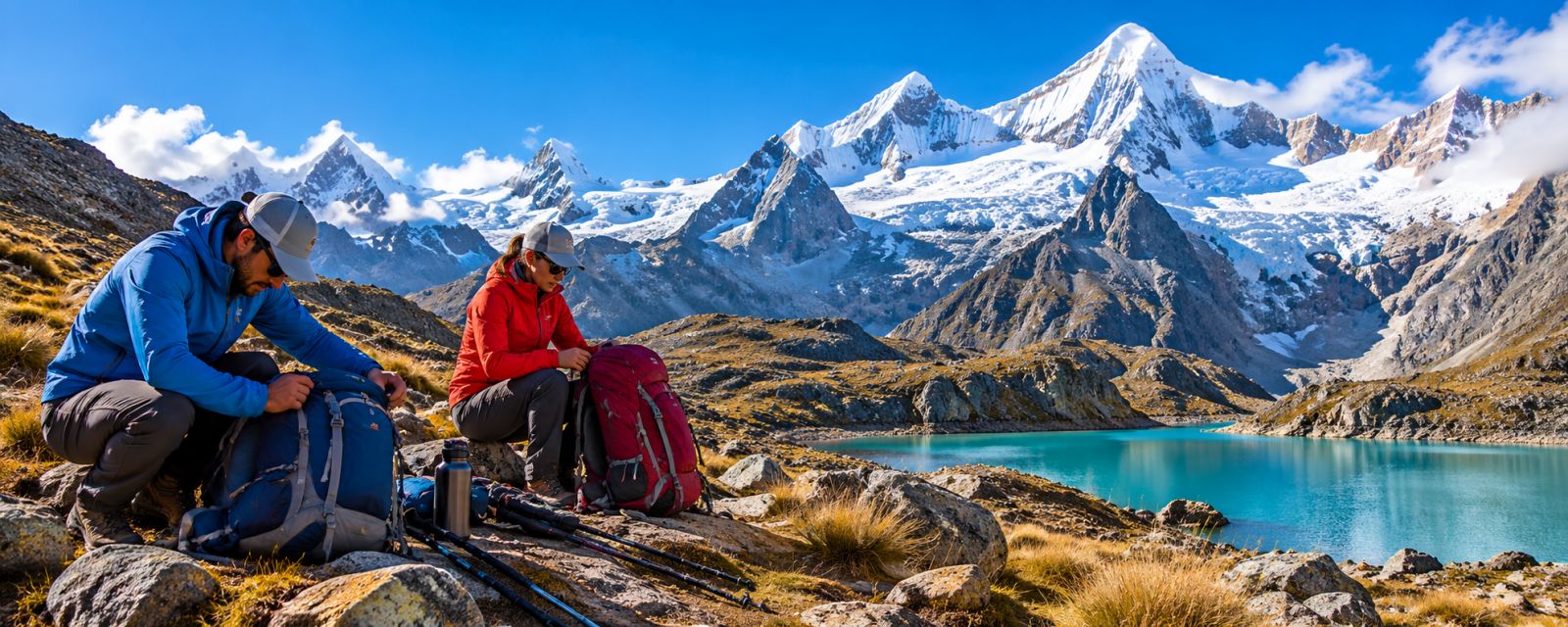
Located near Huaraz in northern Peru, the Cordillera Blanca is famous for its towering snow-covered mountains, turquoise glacial lakes, dramatic valleys, and challenging alpine trails.
This remarkable mountain range attracts hikers and adventure travelers from around the world who want to experience the beauty of high-altitude trekking in Peru.
However, a multi-day Cordillera Blanca trekking expedition requires more preparation than an ordinary day hike.
Long walking distances, high mountain passes, changing weather conditions, and several consecutive days of physical activity can create significant challenges.
At Ecuadorian Alpine Institute, we believe that a rewarding trekking adventure begins long before arriving at the trailhead.
In this complete guide, you will learn how to prepare for a multi-day trek in Cordillera Blanca, including physical training, altitude acclimatization, essential trekking equipment, nutrition, safety considerations, and practical travel tips.
Why Is Cordillera Blanca Trekking So Special?
The Cordillera Blanca is part of the Peruvian Andes, located in the Áncash region near the mountain city of Huaraz.
It is one of the world's most remarkable tropical mountain ranges and includes some of South America's most spectacular glaciated peaks.
Among its most famous mountains is Huascarán, Peru's highest peak, reaching approximately 6,768 meters (22,205 feet) above sea level.
Much of the mountain range lies within Huascarán National Park, a UNESCO World Heritage Site recognized for its extraordinary natural beauty.
The region offers exceptional trekking opportunities through landscapes featuring:
- Snow-covered Andean mountains.
- Turquoise glacial lakes.
- Remote high-altitude valleys.
- Dramatic mountain passes.
- Alpine grasslands and native vegetation.
- Traditional Andean communities.
- Spectacular mountain viewpoints.
Popular trekking destinations include the Santa Cruz Valley, Laguna 69, the Llanganuco Lakes, and routes offering views of iconic peaks such as Alpamayo and Artesonraju.
Whether you are planning a shorter trekking adventure or an extended 15-day Cordillera Blanca expedition, appropriate preparation will help you approach the journey with greater confidence.
1. Understand the Physical Demands of Multi-Day Trekking
Before beginning a Cordillera Blanca trekking expedition, it is important to understand the physical challenges involved.
Unlike a single-day hike, multi-day trekking requires sustained effort over several consecutive days.
Depending on the route, trekkers may encounter:
- Long uphill and downhill sections.
- Rocky or uneven mountain trails.
- High-altitude passes above 4,000 meters.
- Cold temperatures and strong winds.
- Several hours of walking each day.
- Overnight camping in remote mountain environments.
- Limited access to services and emergency assistance.
The difficulty of a trek depends on its daily distances, elevation changes, maximum altitude, sleeping elevations, and terrain.
A 15-day itinerary is not necessarily more difficult than a 7-day program, just as a shorter trek is not automatically easier.
The most important step is choosing a trekking route that matches your physical fitness, previous experience, and altitude readiness.
Before booking, review the itinerary carefully and ask about the expected daily hiking hours, elevation gain, accommodation arrangements, and required equipment.
2. Start Physical Training Before Your Trek
Physical conditioning is one of the most important aspects of preparing for a multi-day Cordillera Blanca trek.
A well-structured training program can help improve endurance, muscular strength, balance, and comfort during prolonged hiking activities.
How Early Should You Begin Training?
Many travelers benefit from beginning structured trekking preparation approximately 8–12 weeks before departure.
However, the ideal training period depends on your current fitness and the difficulty of the planned expedition.
Beginners or travelers preparing for particularly demanding routes may need additional time.
Cardiovascular Endurance Training
Cardiovascular exercise helps prepare your body for sustained physical activity.
Useful activities include:
- Brisk walking.
- Hiking on hills.
- Stair climbing.
- Cycling.
- Swimming.
- Running, when appropriate.
Aim to build endurance gradually rather than increasing exercise intensity too quickly.
Strength Training for Trekking
Strong legs and good core stability are valuable for navigating steep trails and uneven terrain.
Useful exercises include:
- Squats.
- Lunges.
- Step-ups.
- Calf raises.
- Core stability exercises.
- Balance training.
Strength training can also help prepare your body for carrying a backpack and walking downhill.
Practice Hiking with a Backpack
One of the most effective ways to prepare for multi-day trekking is to practice hiking with the equipment you expect to carry.
Begin with a comfortable load and gradually increase the duration and difficulty of your hikes.
If your expedition includes porter or pack-animal support, confirm how much equipment you will personally need to carry.
Physical fitness improves trekking readiness, but it does not prevent altitude sickness. Proper acclimatization remains essential.
3. Prioritize High-Altitude Acclimatization
Altitude acclimatization is one of the most important considerations when trekking in the Cordillera Blanca.
Many popular trails reach elevations above 4,000 meters (13,123 feet), and some mountain passes exceed 4,500 meters (14,764 feet).
At these elevations, atmospheric pressure decreases, reducing the oxygen available to the body.
Travelers arriving from sea level may experience altitude-related symptoms if they ascend too quickly.
Common Symptoms of Altitude Sickness
Acute mountain sickness may cause:
- Headaches.
- Nausea.
- Loss of appetite.
- Dizziness.
- Unusual fatigue.
- Difficulty sleeping.
More serious altitude illnesses, including high-altitude pulmonary edema and high-altitude cerebral edema, can become life-threatening.
How to Acclimatize Before Trekking
A suitable acclimatization strategy may include:
1. Allowing time to adjust after arriving in Huaraz.
2. Beginning with light activities.
3. Introducing progressively higher hiking objectives.
4. Managing increases in sleeping elevation.
5. Including appropriate rest and recovery days.
6. Monitoring symptoms throughout the expedition.
Huaraz is located at approximately 3,050 meters (10,007 feet) above sea level.
Travelers arriving directly from sea level should recognize that simply reaching Huaraz already involves significant altitude exposure.
Above approximately 3,000 meters, general altitude-medicine guidance recommends limiting increases in sleeping elevation to around 500 meters per day, with additional acclimatization days as appropriate.
These recommendations must be adapted to the individual and the actual trekking itinerary.
Never continue ascending to a higher sleeping elevation while experiencing symptoms of altitude sickness.
Worsening symptoms require descent and medical assessment. Severe symptoms, including confusion, difficulty walking normally, or breathlessness at rest, require immediate descent and emergency medical care.
Acclimatization reduces altitude-related risks but cannot eliminate them completely.
4. Choose the Right Cordillera Blanca Trekking Itinerary
The Cordillera Blanca offers different trekking experiences, from scenic day hikes to demanding multi-day expeditions.
Selecting the right itinerary is essential for a rewarding adventure.
Shorter Trekking Programs
Shorter programs may focus on selected mountain highlights and specific trekking objectives.
They can be suitable for travelers with limited time or those who are already adequately acclimatized.
Extended Multi-Day Trekking Programs
Longer itineraries may provide opportunities for:
- Progressive acclimatization.
- More extensive mountain exploration.
- Additional trekking stages.
- Rest and recovery periods.
- Cultural experiences.
- Greater scheduling flexibility.
For travelers interested in an immersive Andean adventure, an extended program may be particularly attractive.
However, the best choice depends on the route's difficulty, altitude profile, and individual readiness.
Questions to Ask Before Booking
Before selecting a Cordillera Blanca trekking tour, consider:
- How many hours will I hike each day?
- What is the maximum altitude?
- At what elevations will I sleep?
- How much elevation gain is expected?
- Is camping equipment included?
- Will I carry my own equipment?
- Are meals and transportation included?
- What experience is required?
- What emergency arrangements are available?
These questions help travelers understand the actual demands of the expedition.
5. Pack the Right Equipment for Cordillera Blanca Trekking
Choosing appropriate equipment is essential for comfort and safety during a multi-day trekking expedition.
Weather conditions in the Peruvian Andes can change rapidly, and temperatures may vary considerably between sunny afternoons and cold nights.
Essential Cordillera Blanca Trekking Packing List
Clothing
- Moisture-wicking base layers.
- Insulating fleece or mid-layer.
- Warm insulated jacket.
- Waterproof and windproof jacket.
- Waterproof overtrousers.
- Comfortable trekking pants.
- Warm hat and sun hat.
- Insulated gloves.
- Trekking socks.
- Suitable sleepwear for cold conditions.
Footwear
- Comfortable, broken-in hiking boots.
- Camp shoes or lightweight footwear.
- Additional trekking socks.
Trekking Equipment
- Comfortable daypack or trekking backpack.
- Trekking poles.
- Headlamp with spare batteries.
- Refillable water bottles or hydration system.
- Sunglasses with UV protection.
- Sunscreen and lip protection.
- Personal first-aid supplies.
- Navigation tools appropriate to the route.
- Waterproof bags for clothing and electronics.
Camping Equipment, When Required
- Sleeping bag rated for expected nighttime temperatures.
- Suitable sleeping mat.
- Tent and camping accessories, if not supplied.
- Personal hygiene items.
Before departure, confirm which items are provided by your trekking operator.
Packing requirements vary depending on the season, route, camping arrangements, and level of logistical support.
6. Prepare for Changing Mountain Weather
Weather in the Cordillera Blanca can be unpredictable.
Even during the relatively drier trekking season, mountain conditions may change quickly.
Trekkers should be prepared for:
- Strong sunshine.
- Cold temperatures.
- Rain and snowfall.
- Strong winds.
- Reduced visibility.
- Sudden weather changes.
Best Time for Cordillera Blanca Trekking
The region generally experiences a relatively drier season between May and September.
This period is popular for trekking because of the typically lower frequency of rainfall.
However, favorable conditions are never guaranteed.
The wetter season generally extends through much of October to April.
Travelers should verify current weather forecasts, trail conditions, and local access requirements before beginning their expedition.
Why Layered Clothing Matters
A layered clothing system allows trekkers to adjust their insulation according to changing temperatures and activity levels.
Breathable base layers, insulating clothing, and waterproof outer layers help manage comfort in variable mountain conditions.
Avoid relying on a single heavy jacket for every situation.
7. Plan Your Nutrition and Hydration
Multi-day trekking requires sustained physical effort.
Adequate food and hydration are important for maintaining energy and supporting physical performance.
Eat Enough During Your Trek
Long hiking days can increase energy requirements.
Travelers should consume sufficient calories and eat regularly.
Useful trekking foods may include:
- Rice, pasta, and other carbohydrate-rich meals.
- Nuts and dried fruit.
- Energy bars.
- Fresh fruit when available.
- Soups and warm meals.
- Other foods suited to individual dietary needs.
If meals are included in your trekking program, communicate any dietary restrictions before departure.
Maintain Normal Hydration
Drink sufficient fluids throughout the day, adjusting intake according to exertion, temperature, and individual needs.
However, drinking excessive amounts of water does not prevent altitude sickness and may create additional health risks.
Water Safety
Do not assume that water from mountain streams or lakes is safe to drink.
Use appropriately treated water, whether through reliable filtration, boiling, or other suitable purification methods.
Your trekking operator should explain how safe drinking water will be provided during the expedition.
8. Prepare for Camping in the Peruvian Andes
Many multi-day Cordillera Blanca trekking routes involve overnight camping.
Camping in remote mountain environments can be an unforgettable experience, but it requires preparation.
Nighttime temperatures may fall below freezing, particularly at higher elevations.
Travelers should understand:
- The type of tents provided.
- Sleeping bag requirements.
- Sleeping mat arrangements.
- Toilet facilities.
- Meal preparation.
- Water availability.
- Luggage transportation.
- Campsite elevations.
If you have limited camping experience, consider practicing with your equipment before traveling.
A comfortable sleeping system and appropriate clothing can make a significant difference during cold mountain nights.
9. Understand Trekking Safety and Emergency Preparation
Remote high-altitude trekking involves environmental and logistical risks.
Professional planning should consider weather, terrain, altitude, communication, and emergency arrangements.
Important Safety Considerations
Before departure, verify:
- The guide's qualifications and local experience.
- The planned trekking route.
- Emergency communication arrangements.
- Evacuation procedures.
- Availability of appropriate first-aid supplies.
- Access to medical assistance.
- Travel insurance coverage.
- Current trail and park regulations.
Travel insurance should specifically cover the planned trekking altitude and activities.
Standard travel insurance policies may exclude certain high-altitude adventures.
Recognize Warning Signs
Trekkers should communicate promptly if they experience:
- Persistent or worsening headaches.
- Significant nausea or vomiting.
- Unusual weakness.
- Difficulty maintaining balance.
- Breathlessness at rest.
- Confusion or changes in awareness.
Severe altitude-related symptoms require immediate descent and emergency medical attention.
No trekking itinerary or professional guide can eliminate all mountain risks.
10. Prepare Mentally for Several Days in the Mountains
Multi-day trekking is both a physical and mental challenge.
Travelers may experience fatigue, cold conditions, unfamiliar sleeping arrangements, and changes to the itinerary.
Mental preparation can help trekkers adapt to these situations.
Useful strategies include:
- Maintaining realistic expectations.
- Accepting changes caused by weather.
- Communicating concerns openly.
- Walking at a sustainable pace.
- Focusing on the experience rather than speed.
- Remaining flexible when plans change.
A multi-day trek is not a race.
Taking time to appreciate the mountain environment can make the experience more rewarding.
11. Respect the Environment and Local Communities
The Cordillera Blanca is an extraordinary natural environment that deserves careful protection.
Many trekking routes pass through sensitive alpine ecosystems and protected landscapes.
Responsible trekking practices include:
- Staying on designated trails.
- Carrying out all waste.
- Avoiding damage to vegetation.
- Respecting wildlife.
- Using established campsites.
- Following park regulations.
- Respecting local communities and traditions.
Travelers should also be mindful of the environmental challenges affecting tropical mountain glaciers.
Responsible tourism helps protect these landscapes for future generations.
12. Why Huaraz Is the Gateway to Your Trekking Adventure
Huaraz is one of Peru's most important mountain tourism centers.
Located in the Áncash region, the city provides access to numerous Cordillera Blanca trekking routes.
Many international travelers begin their mountain adventures here.
Huaraz offers:
- Accommodation and restaurants.
- Trekking and mountaineering services.
- Equipment suppliers.
- Transportation connections.
- Access to nearby mountain valleys.
- Opportunities for introductory acclimatization activities.
However, travelers should not underestimate the city's altitude.
At approximately 3,050 meters above sea level, Huaraz already requires altitude awareness, particularly for visitors arriving from lower elevations.
13. Why Choose Ecuadorian Alpine Institute for Your Cordillera Blanca Trek?
At Ecuadorian Alpine Institute, we believe that an unforgettable trekking experience begins with appropriate preparation and a genuine appreciation for the mountain environment.
The Cordillera Blanca offers extraordinary opportunities to explore the Peruvian Andes through high-altitude trails, remote valleys, and spectacular mountain landscapes.
Our approach emphasizes the importance of progressive acclimatization, suitable trekking preparation, and realistic expectations.
Whether you are planning your first extended mountain trek or looking for a new adventure in South America, understanding the demands of the itinerary is essential.
Our team can help you explore Cordillera Blanca trekking opportunities and learn more about the preparation required for your chosen adventure.
Final Thoughts: Prepare Well for an Unforgettable Cordillera Blanca Trek
A multi-day trek in the Cordillera Blanca is an extraordinary opportunity to experience the natural beauty of the Peruvian Andes.
However, proper preparation is essential.
Physical conditioning, altitude acclimatization, suitable equipment, nutrition, weather awareness, and responsible trekking practices all contribute to a better-prepared expedition.
The ideal trekking itinerary should match your experience, physical condition, and travel goals.
By preparing carefully and understanding the challenges ahead, you can focus on enjoying the remarkable mountain landscapes and unforgettable experiences that make the Cordillera Blanca so special.
Ready to Explore the Cordillera Blanca?
Discover the beauty of high-altitude trekking in Peru with Ecuadorian Alpine Institute.
Explore spectacular Andean mountains, turquoise glacial lakes, remote valleys, and rewarding multi-day trekking adventures.
Contact our team to learn more about our Cordillera Blanca trekking programs, itinerary details, preparation recommendations, and available travel dates.
Explore our Peru trekking adventures and start planning your next Andean journey today.
---
Frequently Asked Questions About Cordillera Blanca Trekking Preparation
How do I prepare for a multi-day trek in Cordillera Blanca?
Preparation includes cardiovascular training, strength exercises, gradual altitude acclimatization, suitable trekking equipment, and understanding the route's physical demands.
How fit do I need to be for Cordillera Blanca trekking?
Fitness requirements vary by route. Multi-day treks with high mountain passes generally require good endurance and the ability to hike for several consecutive days.
How many days should I acclimatize before trekking in Cordillera Blanca?
There is no universally suitable number of days. Acclimatization needs depend on your starting altitude, sleeping-elevation progression, previous altitude exposure, and individual response.
What should I pack for a Cordillera Blanca trek?
Essential items typically include hiking boots, layered clothing, waterproof protection, a backpack, trekking poles, sun protection, a headlamp, and appropriate camping equipment when required.
What is the best time of year for Cordillera Blanca trekking?
The relatively drier months from May to September are popular for trekking, although mountain weather remains unpredictable.
Is Cordillera Blanca trekking suitable for beginners?
Some routes may be appropriate for fit beginners with adequate preparation. More demanding multi-day expeditions require additional hiking experience and physical conditioning.
Where do Cordillera Blanca treks usually start?
Many trekking expeditions begin in Huaraz, the main regional center for mountain tourism in northern Peru.
Do I need a guide for Cordillera Blanca trekking?
Guiding requirements vary according to the route and current regulations. For remote or demanding high-altitude treks, experienced local mountain guidance is strongly recommended.
What altitude do Cordillera Blanca trekking routes reach?
Many trekking routes reach elevations above 4,000 meters, while some high mountain passes exceed 4,500 meters. Maximum altitude varies by itinerary.
Planning a multi-day trek in Peru's Cordillera Blanca? Proper preparation is essential for enjoying one of South America's most spectacular high-altitude trekking destinations. From physical conditioning and altitude acclimatization to choosing the right equipment, every detail matters when exploring the Peruvian Andes.
Located near Huaraz in northern Peru, the Cordillera Blanca is famous for its towering snow-covered mountains, turquoise glacial lakes, dramatic valleys, and challenging alpine trails.
This remarkable mountain range attracts hikers and adventure travelers from around the world who want to experience the beauty of high-altitude trekking in Peru.
However, a multi-day Cordillera Blanca trekking expedition requires more preparation than an ordinary day hike.
Long walking distances, high mountain passes, changing weather conditions, and several consecutive days of physical activity can create significant challenges.
At Ecuadorian Alpine Institute, we believe that a rewarding trekking adventure begins long before arriving at the trailhead.
In this complete guide, you will learn how to prepare for a multi-day trek in Cordillera Blanca, including physical training, altitude acclimatization, essential trekking equipment, nutrition, safety considerations, and practical travel tips.
Why Is Cordillera Blanca Trekking So Special?
The Cordillera Blanca is part of the Peruvian Andes, located in the Áncash region near the mountain city of Huaraz.
It is one of the world's most remarkable tropical mountain ranges and includes some of South America's most spectacular glaciated peaks.
Among its most famous mountains is Huascarán, Peru's highest peak, reaching approximately 6,768 meters (22,205 feet) above sea level.
Much of the mountain range lies within Huascarán National Park, a UNESCO World Heritage Site recognized for its extraordinary natural beauty.
The region offers exceptional trekking opportunities through landscapes featuring:
- Snow-covered Andean mountains.
- Turquoise glacial lakes.
- Remote high-altitude valleys.
- Dramatic mountain passes.
- Alpine grasslands and native vegetation.
- Traditional Andean communities.
- Spectacular mountain viewpoints.
Popular trekking destinations include the Santa Cruz Valley, Laguna 69, the Llanganuco Lakes, and routes offering views of iconic peaks such as Alpamayo and Artesonraju.
Whether you are planning a shorter trekking adventure or an extended 15-day Cordillera Blanca expedition, appropriate preparation will help you approach the journey with greater confidence.
1. Understand the Physical Demands of Multi-Day Trekking
Before beginning a Cordillera Blanca trekking expedition, it is important to understand the physical challenges involved.
Unlike a single-day hike, multi-day trekking requires sustained effort over several consecutive days.
Depending on the route, trekkers may encounter:
- Long uphill and downhill sections.
- Rocky or uneven mountain trails.
- High-altitude passes above 4,000 meters.
- Cold temperatures and strong winds.
- Several hours of walking each day.
- Overnight camping in remote mountain environments.
- Limited access to services and emergency assistance.
The difficulty of a trek depends on its daily distances, elevation changes, maximum altitude, sleeping elevations, and terrain.
A 15-day itinerary is not necessarily more difficult than a 7-day program, just as a shorter trek is not automatically easier.
The most important step is choosing a trekking route that matches your physical fitness, previous experience, and altitude readiness.
Before booking, review the itinerary carefully and ask about the expected daily hiking hours, elevation gain, accommodation arrangements, and required equipment.
2. Start Physical Training Before Your Trek
Physical conditioning is one of the most important aspects of preparing for a multi-day Cordillera Blanca trek.
A well-structured training program can help improve endurance, muscular strength, balance, and comfort during prolonged hiking activities.
How Early Should You Begin Training?
Many travelers benefit from beginning structured trekking preparation approximately 8–12 weeks before departure.
However, the ideal training period depends on your current fitness and the difficulty of the planned expedition.
Beginners or travelers preparing for particularly demanding routes may need additional time.
Cardiovascular Endurance Training
Cardiovascular exercise helps prepare your body for sustained physical activity.
Useful activities include:
- Brisk walking.
- Hiking on hills.
- Stair climbing.
- Cycling.
- Swimming.
- Running, when appropriate.
Aim to build endurance gradually rather than increasing exercise intensity too quickly.
Strength Training for Trekking
Strong legs and good core stability are valuable for navigating steep trails and uneven terrain.
Useful exercises include:
- Squats.
- Lunges.
- Step-ups.
- Calf raises.
- Core stability exercises.
- Balance training.
Strength training can also help prepare your body for carrying a backpack and walking downhill.
Practice Hiking with a Backpack
One of the most effective ways to prepare for multi-day trekking is to practice hiking with the equipment you expect to carry.
Begin with a comfortable load and gradually increase the duration and difficulty of your hikes.
If your expedition includes porter or pack-animal support, confirm how much equipment you will personally need to carry.
Physical fitness improves trekking readiness, but it does not prevent altitude sickness. Proper acclimatization remains essential.
3. Prioritize High-Altitude Acclimatization
Altitude acclimatization is one of the most important considerations when trekking in the Cordillera Blanca.
Many popular trails reach elevations above 4,000 meters (13,123 feet), and some mountain passes exceed 4,500 meters (14,764 feet).
At these elevations, atmospheric pressure decreases, reducing the oxygen available to the body.
Travelers arriving from sea level may experience altitude-related symptoms if they ascend too quickly.
Common Symptoms of Altitude Sickness
Acute mountain sickness may cause:
- Headaches.
- Nausea.
- Loss of appetite.
- Dizziness.
- Unusual fatigue.
- Difficulty sleeping.
More serious altitude illnesses, including high-altitude pulmonary edema and high-altitude cerebral edema, can become life-threatening.
How to Acclimatize Before Trekking
A suitable acclimatization strategy may include:
1. Allowing time to adjust after arriving in Huaraz.
2. Beginning with light activities.
3. Introducing progressively higher hiking objectives.
4. Managing increases in sleeping elevation.
5. Including appropriate rest and recovery days.
6. Monitoring symptoms throughout the expedition.
Huaraz is located at approximately 3,050 meters (10,007 feet) above sea level.
Travelers arriving directly from sea level should recognize that simply reaching Huaraz already involves significant altitude exposure.
Above approximately 3,000 meters, general altitude-medicine guidance recommends limiting increases in sleeping elevation to around 500 meters per day, with additional acclimatization days as appropriate.
These recommendations must be adapted to the individual and the actual trekking itinerary.
Never continue ascending to a higher sleeping elevation while experiencing symptoms of altitude sickness.
Worsening symptoms require descent and medical assessment. Severe symptoms, including confusion, difficulty walking normally, or breathlessness at rest, require immediate descent and emergency medical care.
Acclimatization reduces altitude-related risks but cannot eliminate them completely.
4. Choose the Right Cordillera Blanca Trekking Itinerary
The Cordillera Blanca offers different trekking experiences, from scenic day hikes to demanding multi-day expeditions.
Selecting the right itinerary is essential for a rewarding adventure.
Shorter Trekking Programs
Shorter programs may focus on selected mountain highlights and specific trekking objectives.
They can be suitable for travelers with limited time or those who are already adequately acclimatized.
Extended Multi-Day Trekking Programs
Longer itineraries may provide opportunities for:
- Progressive acclimatization.
- More extensive mountain exploration.
- Additional trekking stages.
- Rest and recovery periods.
- Cultural experiences.
- Greater scheduling flexibility.
For travelers interested in an immersive Andean adventure, an extended program may be particularly attractive.
However, the best choice depends on the route's difficulty, altitude profile, and individual readiness.
Questions to Ask Before Booking
Before selecting a Cordillera Blanca trekking tour, consider:
- How many hours will I hike each day?
- What is the maximum altitude?
- At what elevations will I sleep?
- How much elevation gain is expected?
- Is camping equipment included?
- Will I carry my own equipment?
- Are meals and transportation included?
- What experience is required?
- What emergency arrangements are available?
These questions help travelers understand the actual demands of the expedition.
5. Pack the Right Equipment for Cordillera Blanca Trekking
Choosing appropriate equipment is essential for comfort and safety during a multi-day trekking expedition.
Weather conditions in the Peruvian Andes can change rapidly, and temperatures may vary considerably between sunny afternoons and cold nights.
Essential Cordillera Blanca Trekking Packing List
Clothing
- Moisture-wicking base layers.
- Insulating fleece or mid-layer.
- Warm insulated jacket.
- Waterproof and windproof jacket.
- Waterproof overtrousers.
- Comfortable trekking pants.
- Warm hat and sun hat.
- Insulated gloves.
- Trekking socks.
- Suitable sleepwear for cold conditions.
Footwear
- Comfortable, broken-in hiking boots.
- Camp shoes or lightweight footwear.
- Additional trekking socks.
Trekking Equipment
- Comfortable daypack or trekking backpack.
- Trekking poles.
- Headlamp with spare batteries.
- Refillable water bottles or hydration system.
- Sunglasses with UV protection.
- Sunscreen and lip protection.
- Personal first-aid supplies.
- Navigation tools appropriate to the route.
- Waterproof bags for clothing and electronics.
Camping Equipment, When Required
- Sleeping bag rated for expected nighttime temperatures.
- Suitable sleeping mat.
- Tent and camping accessories, if not supplied.
- Personal hygiene items.
Before departure, confirm which items are provided by your trekking operator.
Packing requirements vary depending on the season, route, camping arrangements, and level of logistical support.
6. Prepare for Changing Mountain Weather
Weather in the Cordillera Blanca can be unpredictable.
Even during the relatively drier trekking season, mountain conditions may change quickly.
Trekkers should be prepared for:
- Strong sunshine.
- Cold temperatures.
- Rain and snowfall.
- Strong winds.
- Reduced visibility.
- Sudden weather changes.
Best Time for Cordillera Blanca Trekking
The region generally experiences a relatively drier season between May and September.
This period is popular for trekking because of the typically lower frequency of rainfall.
However, favorable conditions are never guaranteed.
The wetter season generally extends through much of October to April.
Travelers should verify current weather forecasts, trail conditions, and local access requirements before beginning their expedition.
Why Layered Clothing Matters
A layered clothing system allows trekkers to adjust their insulation according to changing temperatures and activity levels.
Breathable base layers, insulating clothing, and waterproof outer layers help manage comfort in variable mountain conditions.
Avoid relying on a single heavy jacket for every situation.
7. Plan Your Nutrition and Hydration
Multi-day trekking requires sustained physical effort.
Adequate food and hydration are important for maintaining energy and supporting physical performance.
Eat Enough During Your Trek
Long hiking days can increase energy requirements.
Travelers should consume sufficient calories and eat regularly.
Useful trekking foods may include:
- Rice, pasta, and other carbohydrate-rich meals.
- Nuts and dried fruit.
- Energy bars.
- Fresh fruit when available.
- Soups and warm meals.
- Other foods suited to individual dietary needs.
If meals are included in your trekking program, communicate any dietary restrictions before departure.
Maintain Normal Hydration
Drink sufficient fluids throughout the day, adjusting intake according to exertion, temperature, and individual needs.
However, drinking excessive amounts of water does not prevent altitude sickness and may create additional health risks.
Water Safety
Do not assume that water from mountain streams or lakes is safe to drink.
Use appropriately treated water, whether through reliable filtration, boiling, or other suitable purification methods.
Your trekking operator should explain how safe drinking water will be provided during the expedition.
8. Prepare for Camping in the Peruvian Andes
Many multi-day Cordillera Blanca trekking routes involve overnight camping.
Camping in remote mountain environments can be an unforgettable experience, but it requires preparation.
Nighttime temperatures may fall below freezing, particularly at higher elevations.
Travelers should understand:
- The type of tents provided.
- Sleeping bag requirements.
- Sleeping mat arrangements.
- Toilet facilities.
- Meal preparation.
- Water availability.
- Luggage transportation.
- Campsite elevations.
If you have limited camping experience, consider practicing with your equipment before traveling.
A comfortable sleeping system and appropriate clothing can make a significant difference during cold mountain nights.
9. Understand Trekking Safety and Emergency Preparation
Remote high-altitude trekking involves environmental and logistical risks.
Professional planning should consider weather, terrain, altitude, communication, and emergency arrangements.
Important Safety Considerations
Before departure, verify:
- The guide's qualifications and local experience.
- The planned trekking route.
- Emergency communication arrangements.
- Evacuation procedures.
- Availability of appropriate first-aid supplies.
- Access to medical assistance.
- Travel insurance coverage.
- Current trail and park regulations.
Travel insurance should specifically cover the planned trekking altitude and activities.
Standard travel insurance policies may exclude certain high-altitude adventures.
Recognize Warning Signs
Trekkers should communicate promptly if they experience:
- Persistent or worsening headaches.
- Significant nausea or vomiting.
- Unusual weakness.
- Difficulty maintaining balance.
- Breathlessness at rest.
- Confusion or changes in awareness.
Severe altitude-related symptoms require immediate descent and emergency medical attention.
No trekking itinerary or professional guide can eliminate all mountain risks.
10. Prepare Mentally for Several Days in the Mountains
Multi-day trekking is both a physical and mental challenge.
Travelers may experience fatigue, cold conditions, unfamiliar sleeping arrangements, and changes to the itinerary.
Mental preparation can help trekkers adapt to these situations.
Useful strategies include:
- Maintaining realistic expectations.
- Accepting changes caused by weather.
- Communicating concerns openly.
- Walking at a sustainable pace.
- Focusing on the experience rather than speed.
- Remaining flexible when plans change.
A multi-day trek is not a race.
Taking time to appreciate the mountain environment can make the experience more rewarding.
11. Respect the Environment and Local Communities
The Cordillera Blanca is an extraordinary natural environment that deserves careful protection.
Many trekking routes pass through sensitive alpine ecosystems and protected landscapes.
Responsible trekking practices include:
- Staying on designated trails.
- Carrying out all waste.
- Avoiding damage to vegetation.
- Respecting wildlife.
- Using established campsites.
- Following park regulations.
- Respecting local communities and traditions.
Travelers should also be mindful of the environmental challenges affecting tropical mountain glaciers.
Responsible tourism helps protect these landscapes for future generations.
12. Why Huaraz Is the Gateway to Your Trekking Adventure
Huaraz is one of Peru's most important mountain tourism centers.
Located in the Áncash region, the city provides access to numerous Cordillera Blanca trekking routes.
Many international travelers begin their mountain adventures here.
Huaraz offers:
- Accommodation and restaurants.
- Trekking and mountaineering services.
- Equipment suppliers.
- Transportation connections.
- Access to nearby mountain valleys.
- Opportunities for introductory acclimatization activities.
However, travelers should not underestimate the city's altitude.
At approximately 3,050 meters above sea level, Huaraz already requires altitude awareness, particularly for visitors arriving from lower elevations.
13. Why Choose Ecuadorian Alpine Institute for Your Cordillera Blanca Trek?
At Ecuadorian Alpine Institute, we believe that an unforgettable trekking experience begins with appropriate preparation and a genuine appreciation for the mountain environment.
The Cordillera Blanca offers extraordinary opportunities to explore the Peruvian Andes through high-altitude trails, remote valleys, and spectacular mountain landscapes.
Our approach emphasizes the importance of progressive acclimatization, suitable trekking preparation, and realistic expectations.
Whether you are planning your first extended mountain trek or looking for a new adventure in South America, understanding the demands of the itinerary is essential.
Our team can help you explore Cordillera Blanca trekking opportunities and learn more about the preparation required for your chosen adventure.
Final Thoughts: Prepare Well for an Unforgettable Cordillera Blanca Trek
A multi-day trek in the Cordillera Blanca is an extraordinary opportunity to experience the natural beauty of the Peruvian Andes.
However, proper preparation is essential.
Physical conditioning, altitude acclimatization, suitable equipment, nutrition, weather awareness, and responsible trekking practices all contribute to a better-prepared expedition.
The ideal trekking itinerary should match your experience, physical condition, and travel goals.
By preparing carefully and understanding the challenges ahead, you can focus on enjoying the remarkable mountain landscapes and unforgettable experiences that make the Cordillera Blanca so special.
Ready to Explore the Cordillera Blanca?
Discover the beauty of high-altitude trekking in Peru with Ecuadorian Alpine Institute.
Explore spectacular Andean mountains, turquoise glacial lakes, remote valleys, and rewarding multi-day trekking adventures.
Contact our team to learn more about our Cordillera Blanca trekking programs, itinerary details, preparation recommendations, and available travel dates.
Explore our Peru trekking adventures and start planning your next Andean journey today.
---
Frequently Asked Questions About Cordillera Blanca Trekking Preparation
How do I prepare for a multi-day trek in Cordillera Blanca?
Preparation includes cardiovascular training, strength exercises, gradual altitude acclimatization, suitable trekking equipment, and understanding the route's physical demands.
How fit do I need to be for Cordillera Blanca trekking?
Fitness requirements vary by route. Multi-day treks with high mountain passes generally require good endurance and the ability to hike for several consecutive days.
How many days should I acclimatize before trekking in Cordillera Blanca?
There is no universally suitable number of days. Acclimatization needs depend on your starting altitude, sleeping-elevation progression, previous altitude exposure, and individual response.
What should I pack for a Cordillera Blanca trek?
Essential items typically include hiking boots, layered clothing, waterproof protection, a backpack, trekking poles, sun protection, a headlamp, and appropriate camping equipment when required.
What is the best time of year for Cordillera Blanca trekking?
The relatively drier months from May to September are popular for trekking, although mountain weather remains unpredictable.
Is Cordillera Blanca trekking suitable for beginners?
Some routes may be appropriate for fit beginners with adequate preparation. More demanding multi-day expeditions require additional hiking experience and physical conditioning.
Where do Cordillera Blanca treks usually start?
Many trekking expeditions begin in Huaraz, the main regional center for mountain tourism in northern Peru.
Do I need a guide for Cordillera Blanca trekking?
Guiding requirements vary according to the route and current regulations. For remote or demanding high-altitude treks, experienced local mountain guidance is strongly recommended.
What altitude do Cordillera Blanca trekking routes reach?
Many trekking routes reach elevations above 4,000 meters, while some high mountain passes exceed 4,500 meters. Maximum altitude varies by itinerary.